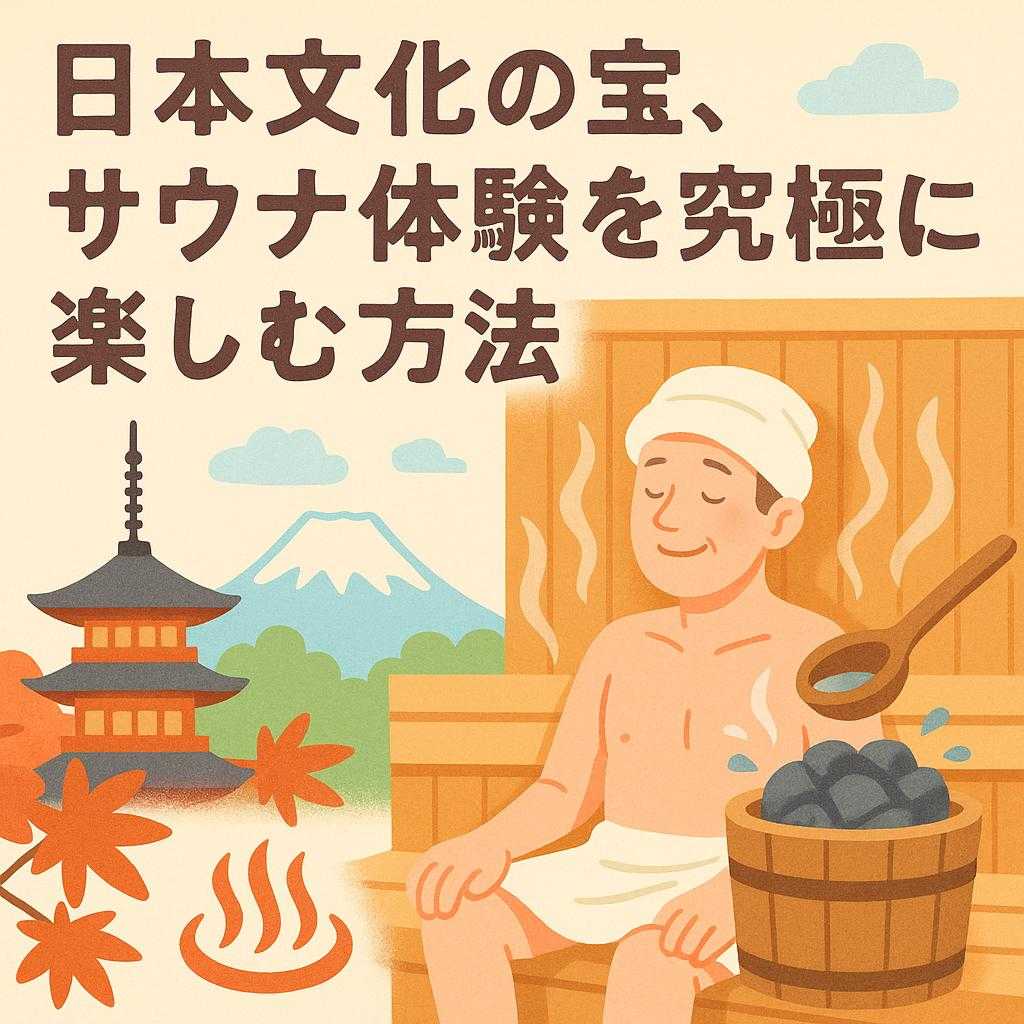
The Treasure of Japanese Culture: How to Fully Enjoy the Ultimate Sauna Experience
Among Japanese cultural highlights, the sauna experience stands out for its ability to refresh both body and mind. Saunas not only help you sweat but also relieve daily stress and promote health. Japan has a long-standing hot spring culture, and saunas are widely embraced as an extension of this tradition. Like hot springs, saunas have unique regional characteristics, offering different ways to enjoy them. To pursue the ultimate sauna experience, it’s important to first understand its history and cultural background. You can then explore the diverse facilities and services available across Japan to find a style that suits you.
Moreover, Japan’s unique “totonou” sensation sets its saunas apart from those in other countries. “Totonou” refers to a state of complete relaxation, where you gain new vitality. To experience this, attention to details like proper temperature management and the combination with cold baths is necessary. Additionally, Japan offers sauna facilities with unique themes and designs, providing visitors with new discoveries and excitement.
Thus, the sauna experience as part of Japanese culture offers more than just bathing. Visiting during your travels allows you to enjoy the local culture and interact with people. Why not add a uniquely Japanese sauna experience to your next travel plans? It will surely become an unforgettable memory.
The Treasure of Japanese Culture: How to Fully Enjoy the Ultimate Sauna Experience
Japanese sauna culture has evolved uniquely, drawing inspiration from Finland. Here, we delve into how to deeply enjoy the sauna experience in Japan.
The History and Development of Saunas in Japan
Saunas originated in Finland and later spread worldwide. In Japan, they gained popularity following the 1964 Tokyo Olympics. Finnish-style löyly was introduced, and Japan developed its own styles like “cold baths” and “outdoor air baths.” These have been refined by the delicate sensibilities of the Japanese, offering a time for complete relaxation.
Differences from Finland and Unique Japanese Enjoyment
In Finland, spending leisurely time with family and friends is emphasized. In contrast, Japan values efficient refreshment in a short time. Therefore, cold baths and outdoor air baths are often paired, allowing for a unique alternating bath experience. This enhances body temperature regulation and is loved by many.
Löyly Experience and Its Benefits
Löyly involves pouring water on heated sauna stones to create steam, temporarily increasing humidity and temperature. This deeply warms the body and promotes metabolism. The steam also moisturizes the skin, offering beauty benefits. Many facilities now host löyly events, growing in popularity.
Sauna Activities: Gaining Popularity in Modern Japan
Recently, the term “sauna activities” has become popular, referring to sauna sessions as a precious relaxation time for busy modern people. It’s not just about sweating but also a vital time for mental and physical refreshment. Visiting on weekends or after work can effectively relieve a week’s worth of fatigue.
Sauna Usage Tips for Beginners
For first-time sauna users, the following steps are recommended: start by cleansing your body with a shower, then spend 5-10 minutes in the sauna room. Next, cool down in a cold bath for 1-2 minutes, and finally, relax with an outdoor air bath. Repeating this process can provide a thorough detox and a pleasant sense of fatigue.
Health Benefits of Sauna Experiences
Regular sauna use positively impacts health, such as improving circulation and relieving stress. Enhanced metabolism can also aid in weight loss. However, those with conditions like high blood pressure or heart disease should consult a doctor beforehand.
Seasonal Enjoyment
Different seasons offer varying ways to enjoy saunas. In summer, the refreshing combination of cold baths and outdoor air baths is recommended. In winter, the contrast between warming up indoors and cooling down in a cold bath provides deep relaxation. Each season has its unique charm, so try them all.
Conclusion
The uniquely evolved Japanese sauna experience offers precious time away from the busy daily life. This culture, blending Finnish elements with Japanese hospitality, is sure to captivate you once you try it. Use the methods and tips introduced in this article to find your favorite style. Enjoy and deepen this traditional practice, which is an important part of Japanese culture.
What is the Sauna Experience as a Treasure of Japanese Culture?
Q1: How should one enjoy the sauna experience in Japan?
A1: To fully enjoy the sauna experience in Japan, understanding basic etiquette is crucial. Many facilities require you to shower before entering. Also, maintaining silence is considerate to other users. To savor Japan’s unique “totonou” moment, repeat the cycle of sauna → cold bath → rest.
What are the differences between Finnish and Japanese styles?
Q2: What are the differences between Finnish and Japanese saunas?
A2: In Finnish saunas, it’s common to perform your own löyly and adjust the steam, whereas in Japan, auto löyly is prevalent. Additionally, many Japanese saunas are combined with hot springs, offering a unique experience. Wood-fired saunas are also popular.
Tell me about Japanese Sauna Etiquette.
Q3: What etiquette should be observed when using a sauna?
A3: Consideration for other users is important when using a sauna. Avoid loud conversations and use towels and swimwear properly. Some facilities are mixed-gender, requiring swimwear. Checking each facility’s rules in advance is crucial.
Is there a way for beginners to enjoy safely?
Q4: How can sauna beginners enjoy safely?
A4: Beginners should start with lower temperatures. Enter and exit at your own pace for a comfortable experience. Remember to stay hydrated for health management.
Where are recommended sauna facilities in Japan?
Q5: Are there particularly recommended sauna facilities in Japan?
A5: There are attractive sauna facilities nationwide. “Sauna Land Asakusa” is popular for its unique mixed-gender experience. Other recommended spots include hot spring facilities and scenic open-air baths across Japan. Each has its unique features, so find your preferred style and atmosphere.
Are there regional characteristics?
Q6: Are there different characteristics and attractions by region?
A6: Yes, regions have distinct characteristics. For example, Hokkaido offers facilities in rich natural settings, while Kyushu features luxurious spa resorts with hot springs. Each region allows for diverse experiences, reflecting local culture and customs.
Conclusion
The sauna experience as part of Japanese culture has evolved uniquely, influenced by Finland. Key elements like löyly, cold baths, and outdoor air baths significantly contribute to mental and physical refreshment. The “totonou” sensation is a uniquely Japanese experience, providing new vitality to many. With facilities and services offering regional characteristics, you can enjoy in a style that suits you. This diverse sauna experience offers precious time away from daily stress. Use the points introduced in this article to experience this important cultural practice. It will surely become an unforgettable memory.